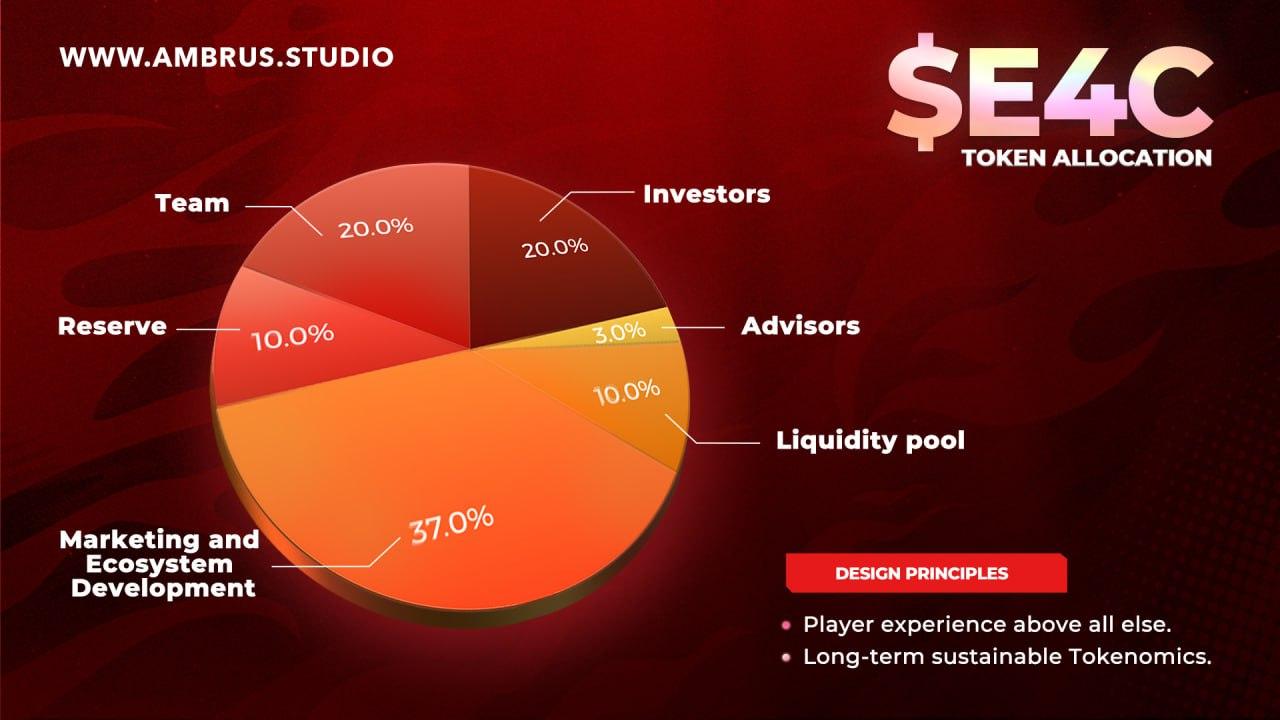

Terms of the E4C (E4C) Sale:
- IDO Type: Refundable (3 days refund period)
- Total Raise: $300,000
- FDV: $100,000,000
- Listing: 04/12//2024
- Token price: $0.1
- Token Unlocks: 25% TGE, 1 month cliff 6.25% each month
- Ticker: E4C
- Blockhain Network: Sui
- SHO tokens network: BSC - bridge to SUI needed via wormhole
- Tutorial on how to bridge: https://medium.com/@AmbrusStudio/how-to-bridge-e4c-to-sui-and-start-staking-a-guide-for-dao-maker-ido-participants-e5fc2a40506d
- Token Supply: 1,000,000,000
- Initial Market Cap: $10,000,000
- Initial Circulating Supply: 100,000,000
- Hard Cap: 1,000,000,000
What is E4C (E4C)?
E4C is a gaming ecosystem on Sui built to become the bridge between web2 and web3 gaming. Anchored on its major products, E4C: Ludus, and E4C: Final Salvation. E4C: Ludus is a cross-platform gaming player built in collaboration with Mysten Labs, the original contributor to Sui blockchain. E4C: Final Salvation is Ambrus Studio’s marquee title that aims to bring 100M users into web3.
Highlights:
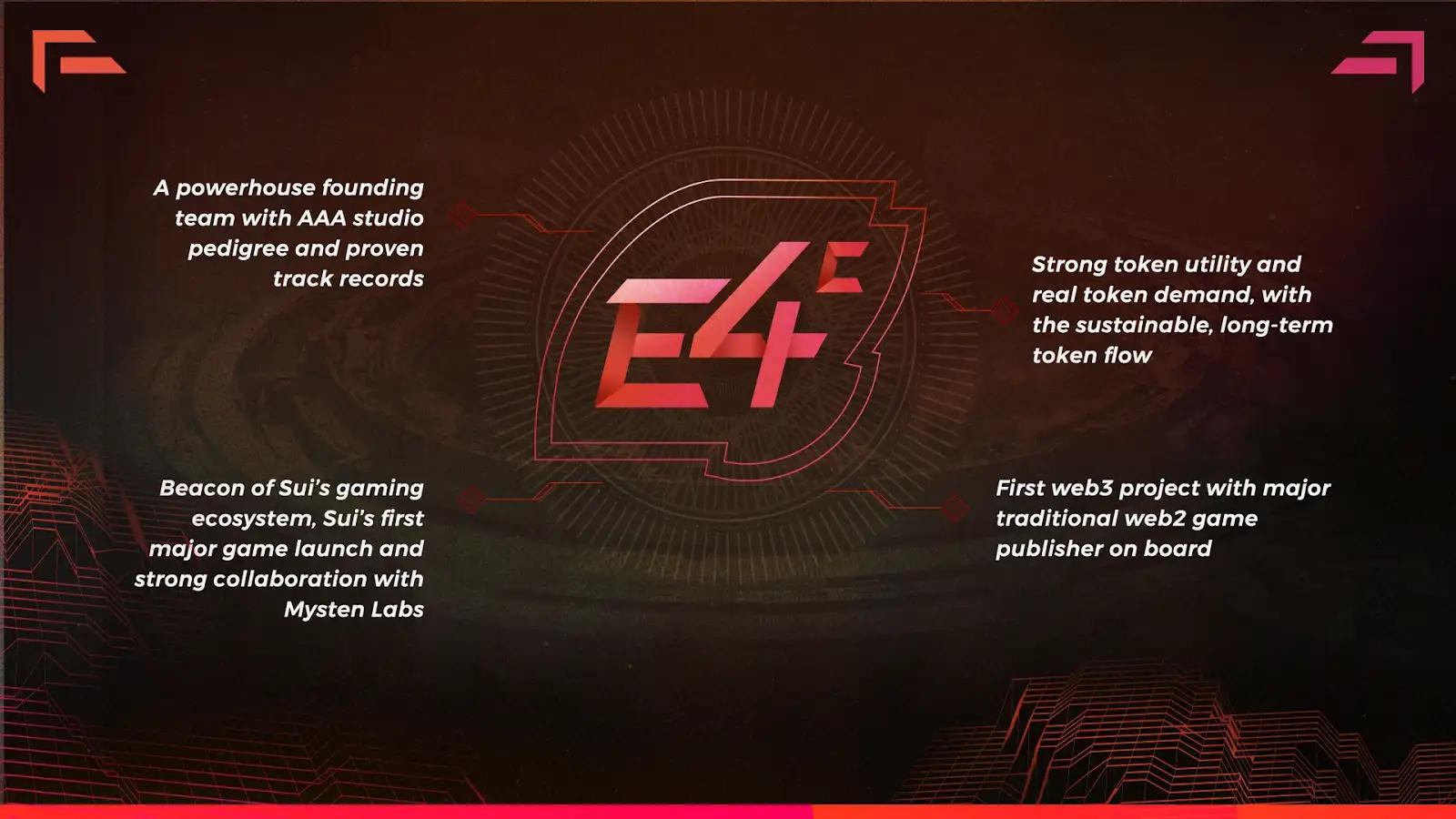
- E4C: Ludus is a beacon of Sui’s gaming ecosystem, built in collaboration with Mysten Labs
- A formidable founding team boasting pedigrees from AAA studios and a proven track record of success within the MOBA genre.
- Sui’s first major game token launch with the entire protocol’s support behind it.
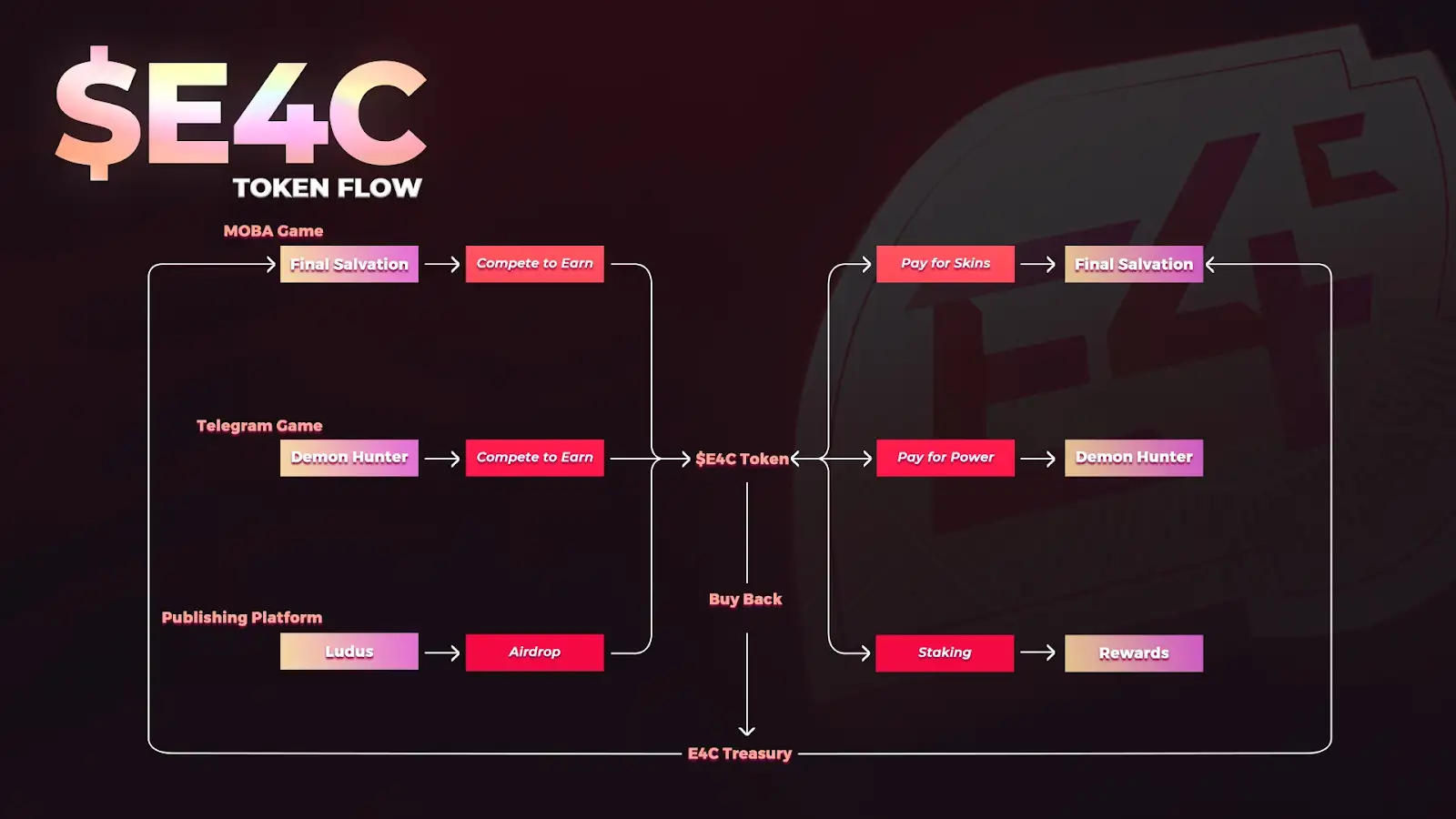
- A sustainable, long-term token flow, complemented by a robust token sink driven by genuine consumption demand from players.
- E4C: Final Salvation is the first web3 project with major web2 publishers on board, including big names like Nazara and Taiwan Mobile. making E4C the first large web3 game with major traditional game publisher support.
- ~1M registered users across multiple platforms
What makes E4C (E4C) unique?
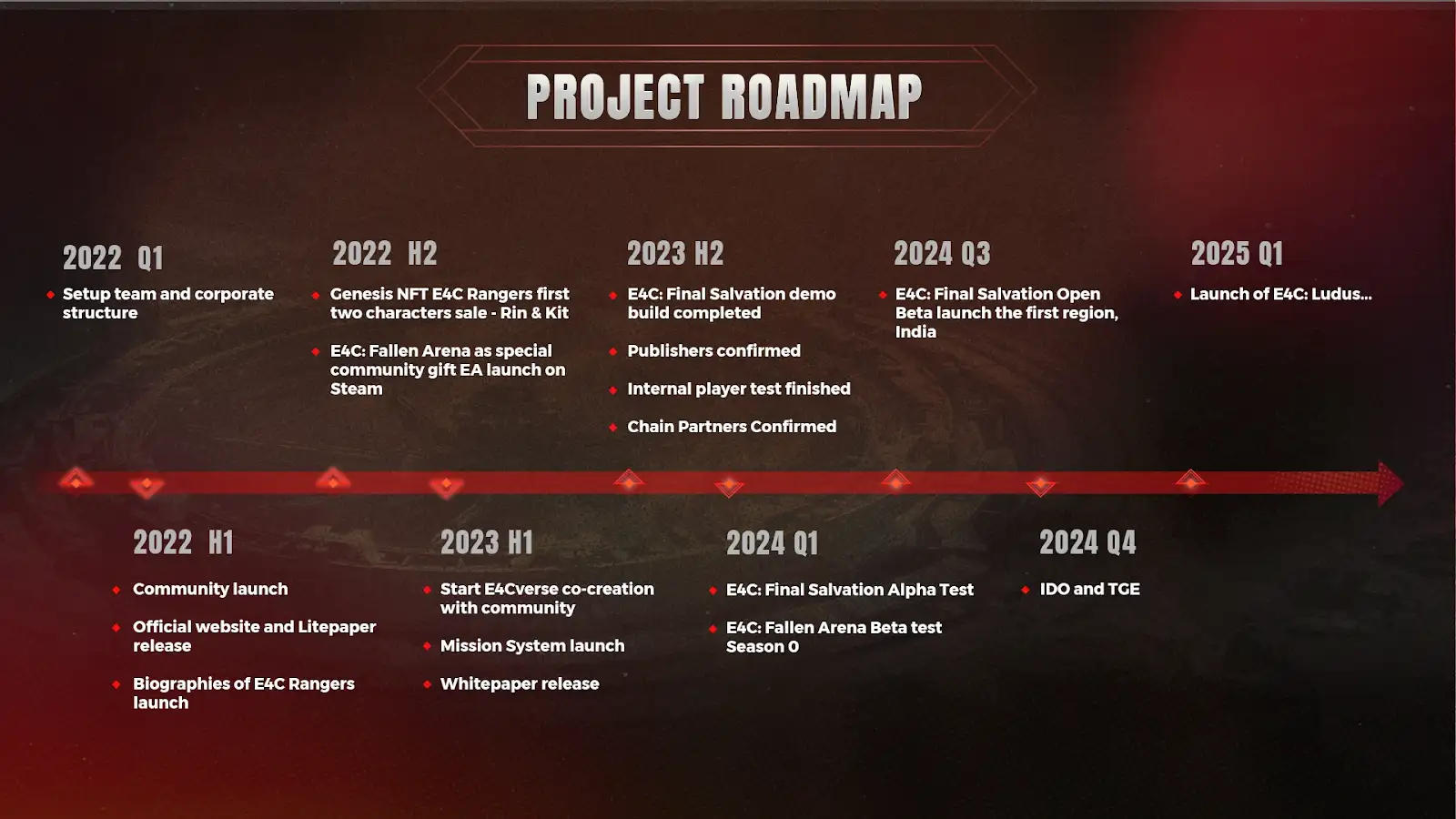
What is E4C (E4C) roadmap?
E4C (E4C) revenue streams
There are multiple products within the E4C ecosystem, but the most notable ones are E4C: Ludus, and E4C: Final Salvation, each with their unique roles in the ecosystem and helping to create revenue. Ludus Revenue Streams:
- Transaction Fees: Implement a commission model where a percentage of each game sale is charged. This approach not only creates a consistent revenue stream for the platform but also incentivizes the platform to enhance the sales process and user experience. By providing developers with detailed sales data and analytics, they can better understand market trends and optimize their products accordingly.
- Promotional Sales: Organize seasonal promotional events, such as Black Friday, Christmas, or summer sales, to attract users to the platform and boost sales. These events can include discounts, bundle deals, or limited-time offers to increase the visibility of games. Additionally, promotional campaigns can be marketed through social media and email newsletters, drawing in more users and encouraging them to explore the platform.
- DLC and Microtransactions: Facilitate additional downloadable content (DLC) and microtransaction options for games, such as character skins, items, or expansion packs. The platform can take a percentage from these transactions, encouraging developers to continually update their games and keep players engaged. Analyzing player purchasing behavior can provide valuable market feedback to developers, helping them tailor their offerings to meet player demands.
- Subscription Services: Introduce a premium membership subscription service where users pay a monthly or annual fee to enjoy exclusive perks, such as early access to new games, special discounts, and unique content. This model not only enhances user loyalty but also provides the platform with a steady revenue stream. Regularly updating membership benefits and content can attract more users to subscribe.
- Advertising: Allow game developers to run targeted advertisements on the platform to promote their games. These ads can be personalized based on user interests and behaviors, ensuring relevance and effectiveness. By providing advertising analytics tools, the platform can help developers assess the performance of their ads, enabling them to refine their advertising strategies for better results.
Final Salvation Revenue Streams:
As a mobile MOBA game, its revenue mainly comes from in-game assets purchasing. To acquire in-game assets, players need to use in-game currencies. There will be two types of currencies used:
- Gold coins: Free to get. Gold coins can be used to purchase peripheral assets such as avatars, double experience cards, name change cards, etc.
- Ambrus Points("AP"): Players pay to get. AP can be used to purchase all assets in the game, especially skin loot boxes and gems.When players top up with $E4C token, they will enjoy an exclusive discount for this consumption.
Skins and gems are core game assets in Final Salvation, together providing a unique customization experience for players by enabling them to craft their own combinations.
- Skins will have a random number of gem slots when players get them. Gem slots are used for inlaying gems which change the appearance or the recorded data of the original skin and thus bring limitless personalization choices for players.
- Primarily there will be two types of skins sold in the game, depending on the method to obtain: 1) Loot box Skins are acquired by opening the loot boxes randomly. 2) Arcana skins can be purchased directly, and are "what you see is what you get".
What is E4C (E4C) product dive?
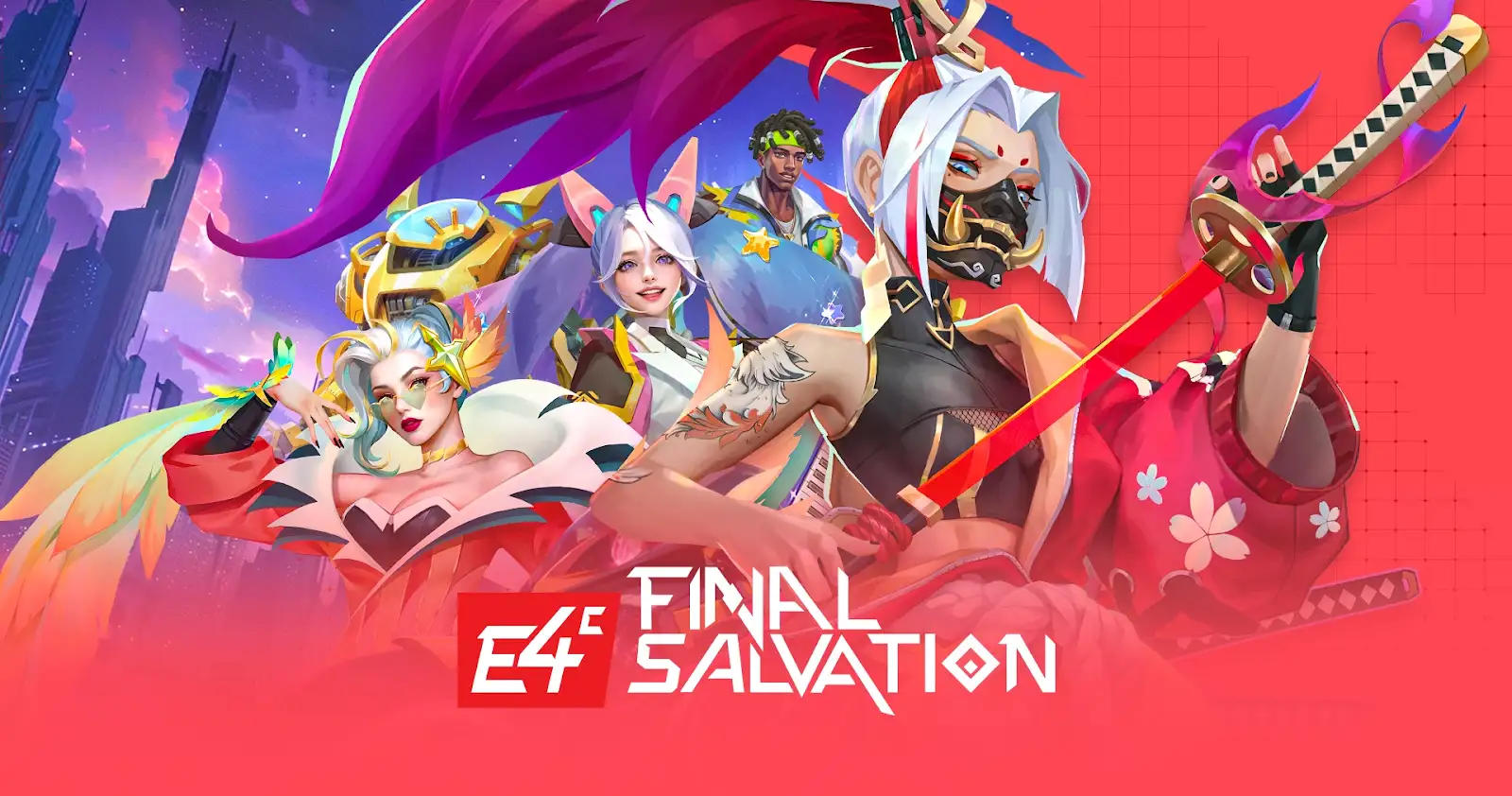
E4C: Final Salvation is a free competitive mobile MOBA game that introduces native innovation to the mobile MOBA gaming experience. The game offers innovative gameplay, providing fast-paced, easy-to-learn, and highly competitive matches while maintaining strategic decision-making challenges to enhance players' combat experience. E4C: Final Salvation is already live since Sep 2024.
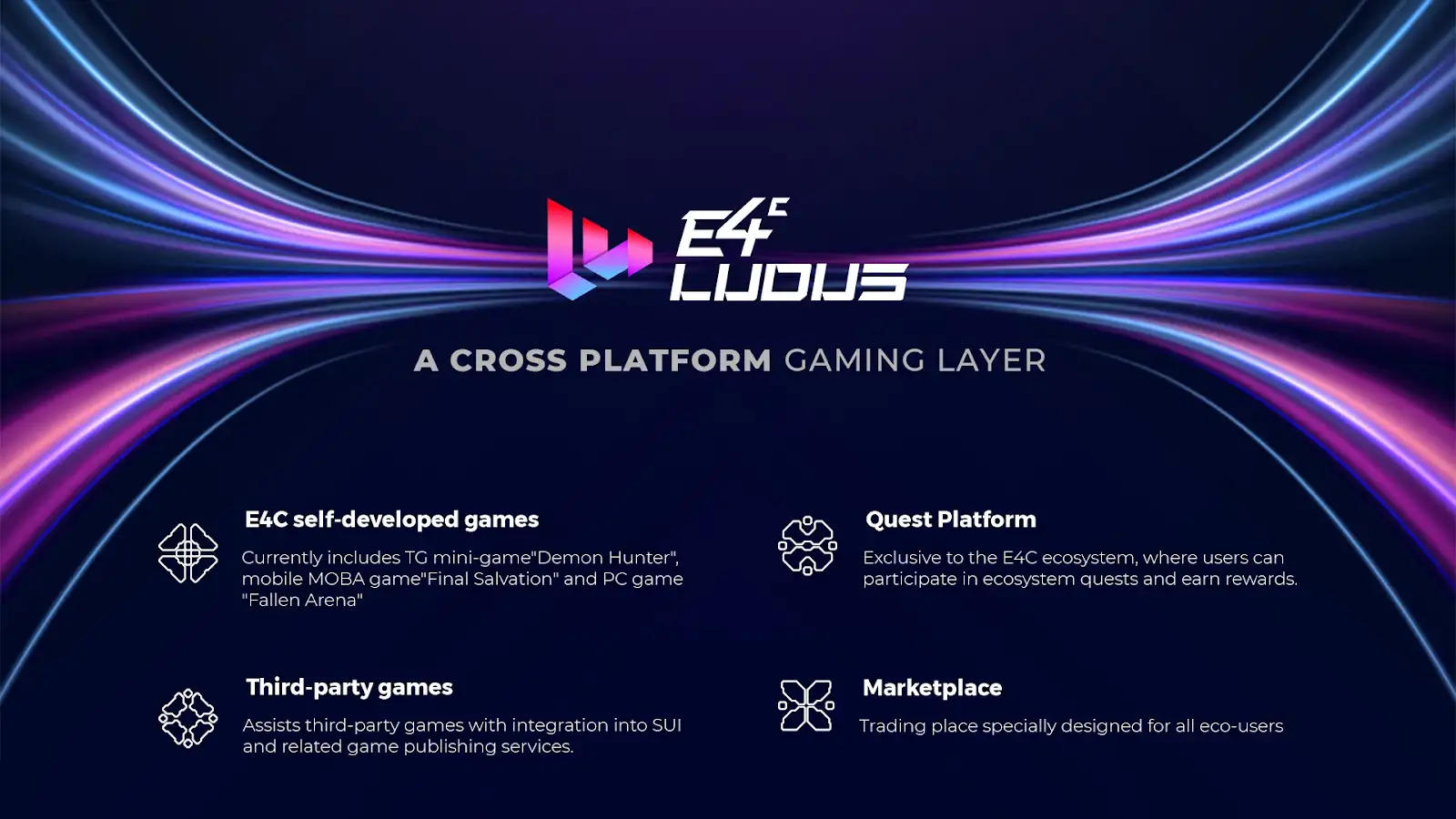
E4C: Ludus is a cross-platform gaming player built in collaboration with Sui. It is a web3 game publishing platform built on Sui and allows gamers in web3 to find games that they can play for fun. It is a curated platform of games across PC, Mobile, Console, and Html5. It allows developers to integrate with Sui seamlessly. E4C: Ludus will be launching in Q1 2025.
What is E4C (E4C) marketing strategy?
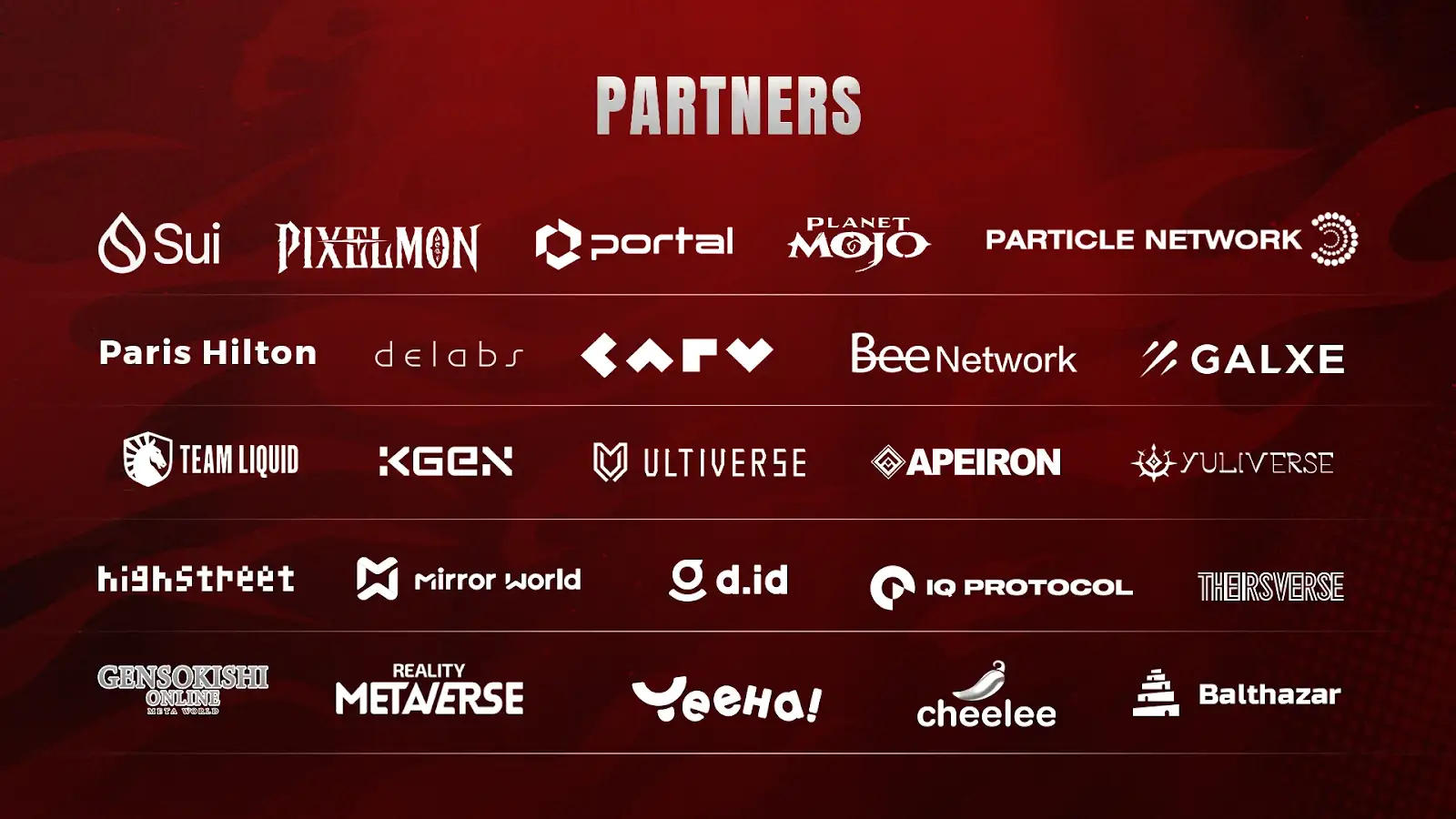
Our community is growing very quickly and we are quickly gaining momentum in the web3 circle. Our closet collaboration with with Sui, one of the hottest chains right now. We have been working with Sui for the last 1.5 years and we are the first major game to be launched on Sui. As a result of our close collaboration, we have earned the right to build E4C: Ludus, in collaboration with Sui. In addition to that, we have many other marketing initiatives, include: collaboration with MON protocol, Heroes of Eldarun, Portal, Sui, Yuliverse. These are ongoing initiatives. We also have collaboration with task platforms. such as TaskOn and Bee Network. We work actively with a couple of marketing agencies to make sure that we continue to have strong momentum for our project prior to our launch.
- We have gathered a large group of KOLs in a 400K USD KOL round as part of our private 2 round. As a result, these KOLs need to provide marketing/promotion for us for the next 12 months
- We have accumulated many positive news, such as the closing of our current fundraising round, large KOLs on board, publisher agreement with Nazara, Taiwan Mobile, etc.... this will provide us the momentum for the price to go higher after our TGE
- We now have our own quest platform and plan to use the attention we get during the IDO period to further increase our social numbers.
- We also have some major shows/interviews coming up with shows like London Real Show
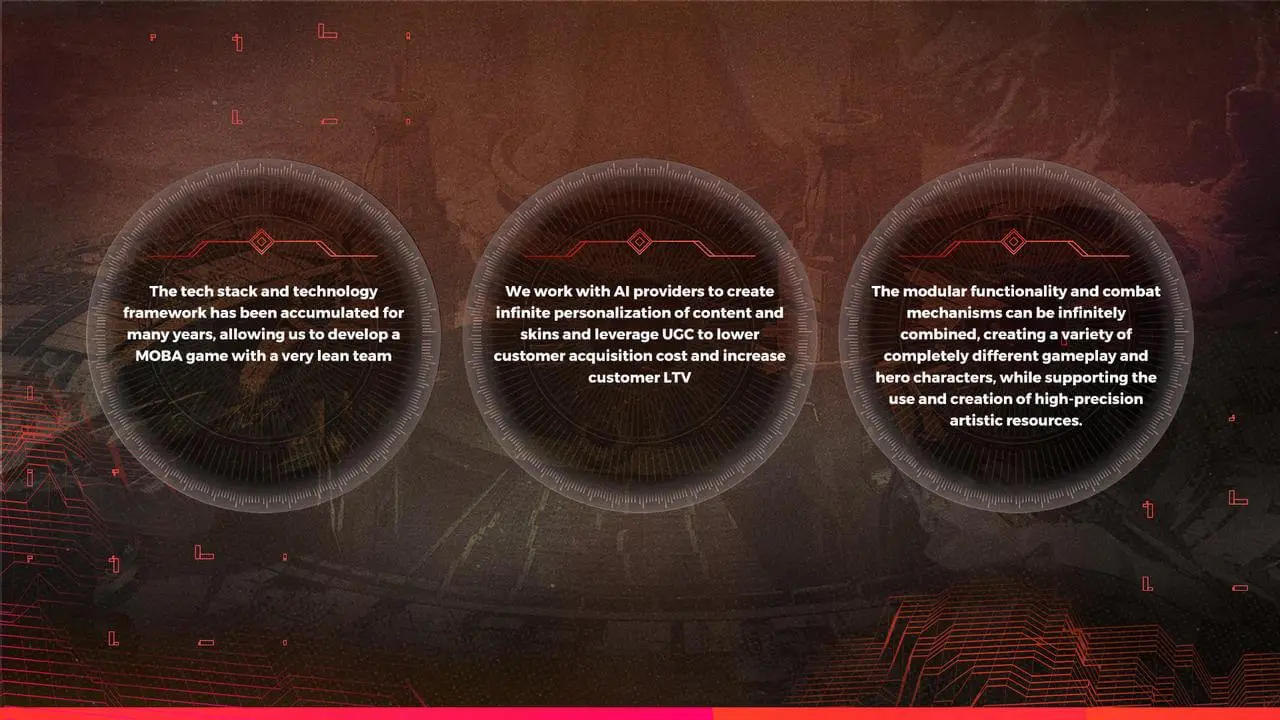
What technologies E4C (E4C) created and used?
Who is E4C (E4C) team?
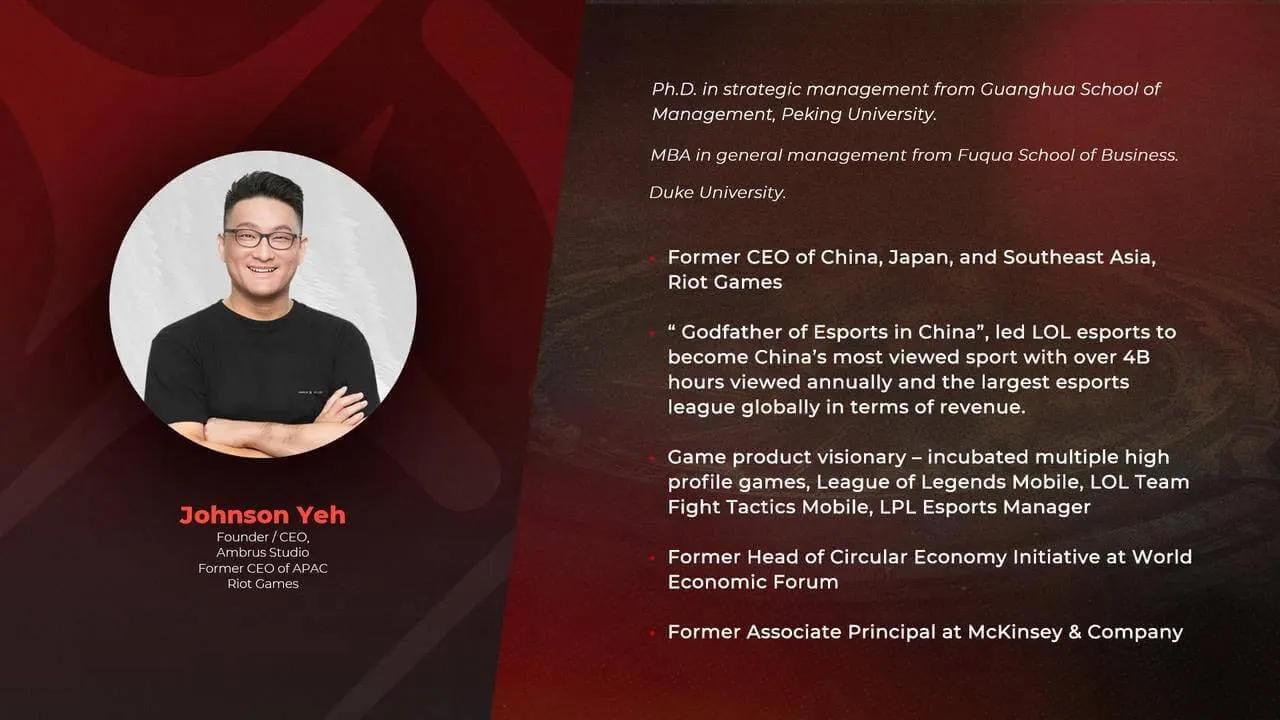
Who are the partners of E4C (E4C)?
What are E4C (E4C) token metrics?