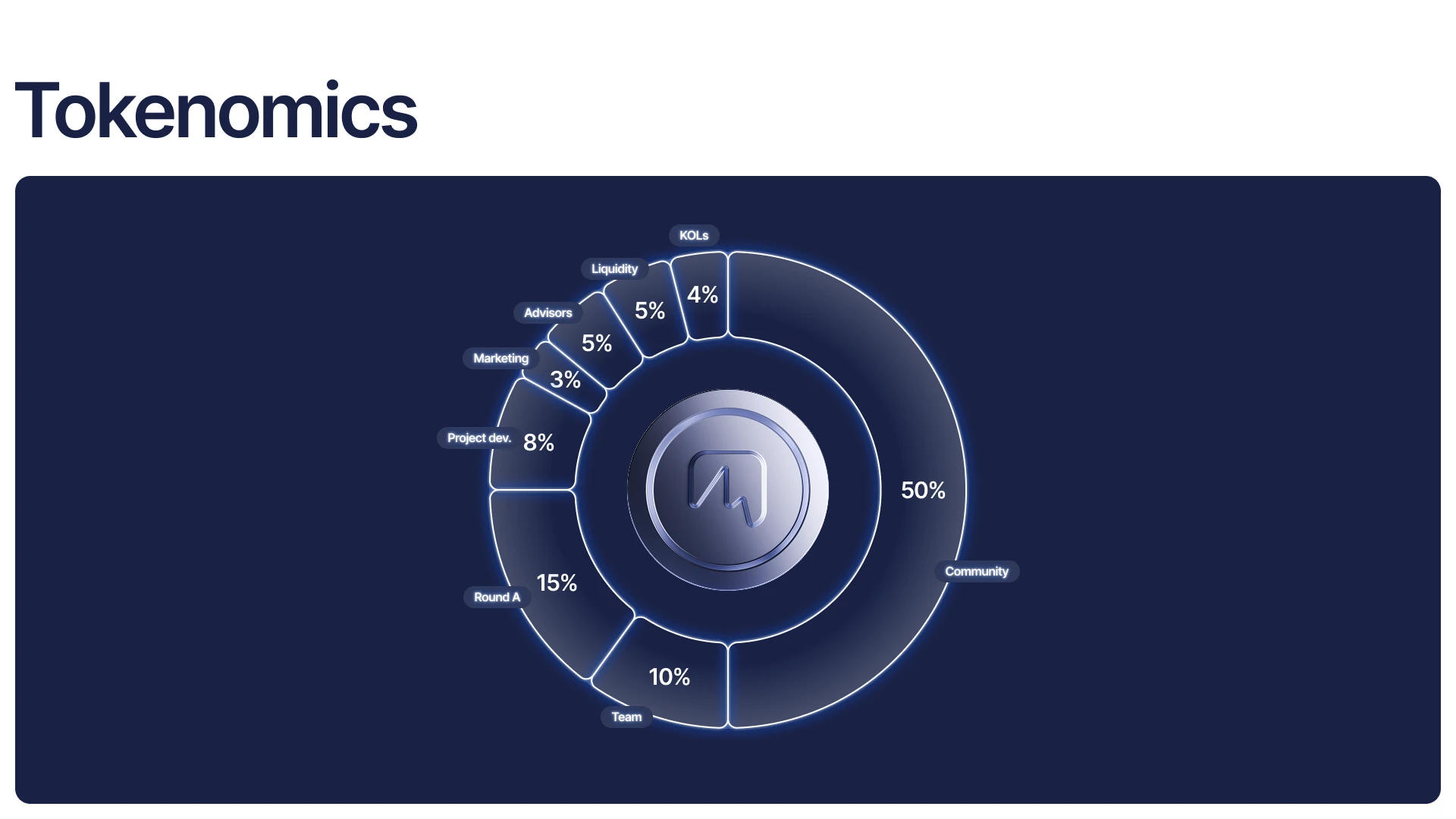

Terms of the Iceberg (ICEBERG) Sale:
- IDO Type: Refundable (3 days refund period)
- Total Raise: $500,000
- FDV: $6,000,000
- Listing: TBD
- Token price: $0.00006
- Token Unlocks: 30% on TGE, 6 month vesting
- Ticker: ICEBERG
- Blockhain Network: TON
- SHO tokens network: BSC
- Token Supply: 100,000,000,000
- Initial Market Cap: $3,852,000
- Initial Circulating Supply: 64,200,000,000
- Hard Cap: $900,000
- Mainnet Token Contract: TBD
What is Iceberg (ICEBERG)?
Iceberg is a Web3.0 productivity platform built to streamline and modernize digital workflows. Integrated directly into Telegram, it combines essential work tools—like calendars, planners, notes, tables, AI assistants, and the first Web3.0 CRM—into one decentralized workspace.
The platform solves the problem of fragmented workflows caused by using multiple disconnected apps. By unifying tools inside a single messenger, Iceberg boosts productivity, simplifies communication, and ensures better data control through blockchain-based infrastructure.
Additionally, Iceberg enables smoother collaboration through features like bot integration between partners, helping teams avoid miscommunication and automate routine processes within Telegram.
What makes Iceberg (ICEBERG) unique?
Iceberg is the first Web3.0 productivity platform natively integrated into messengers like Telegram, combining collaboration tools, AI assistants, and decentralized infrastructure into a single experience. While competitors offer partial solutions (task managers, calendars, or CRMs), none operate directly inside messaging platforms or offer full Web3.0 functionality.
What Sets Iceberg Apart:
- Messenger-native experience: Everything works inside Telegram, WeChat, — no external apps or links needed.
- Web3.0 integration: Decentralized storage, token incentives, governance, and on-chain user identity.
- All-in-one stack: Calendar, planner, notes, CRM, board, tables, forms, meeting scheduler—all in one interface.
- Gamified user onboarding: Iceberg Play attracted over 3 million users in 6 weeks.
- AI-powered tools: Streamlined task automation and intelligent work planning (in progress).
- Affordable pricing: Enterprise-grade functionality at a fraction of the cost.
Is There Demand for Iceberg?
Yes. Despite no identical competitors, demand is clear:
- Massive adoption of messengers (Telegram, WeChat) as primary communication channels—1.3B+ monthly users in target regions.
- Users are overwhelmed by app fragmentation—using separate platforms for notes, CRM, planning, etc.
- Iceberg Play’s early traction (3M users in 6 weeks) shows massive user interest in integrated, gamified productivity tools.
- 91% of users surveyed are willing to alpha test, and nearly half would pay for a subscription.
Iceberg meets a clear market need: a secure, unified, Web3.0-native workspace that lives where people already work—inside their messenger.
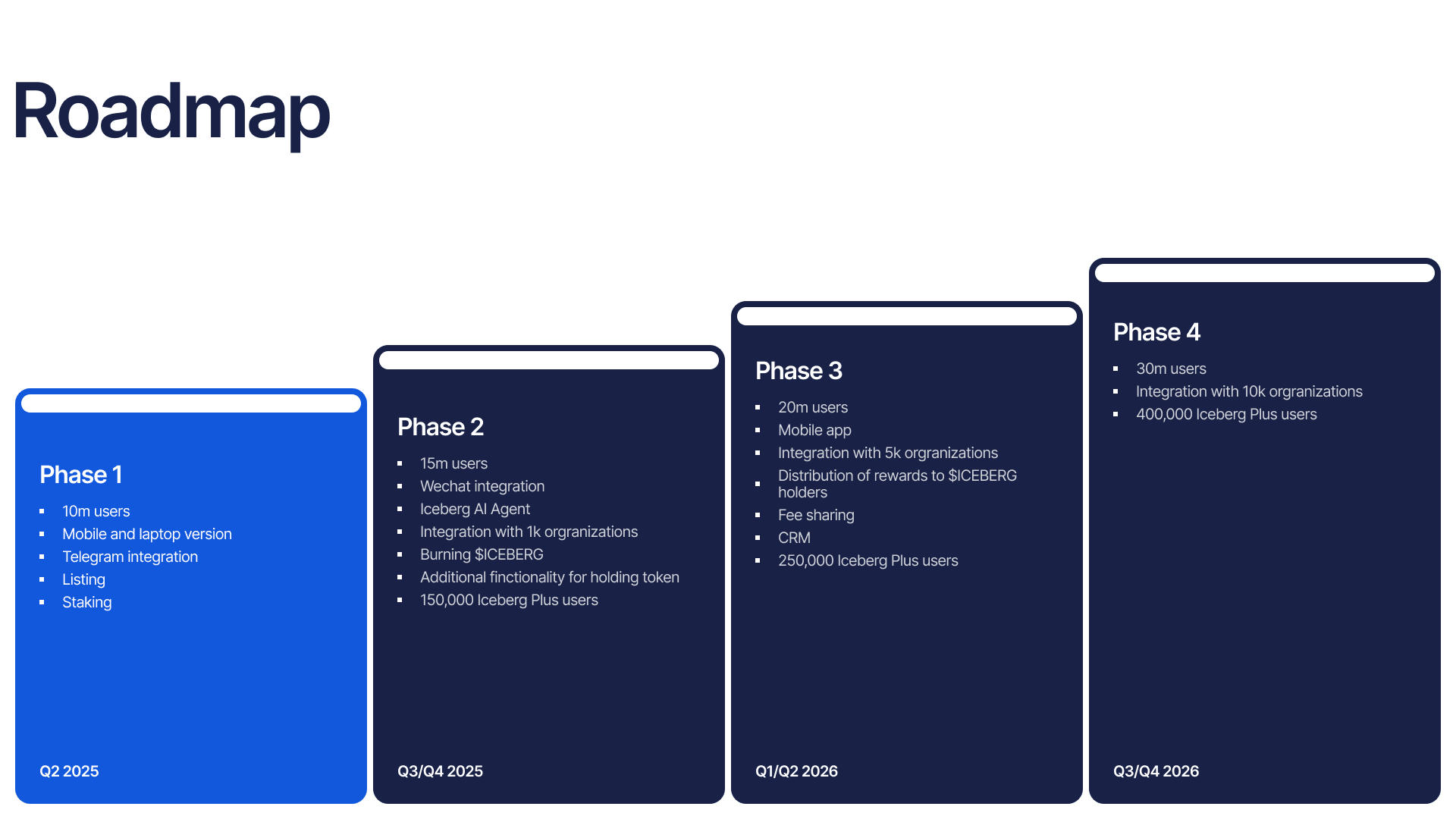
What is Iceberg (ICEBERG) roadmap?
Iceberg (ICEBERG) revenue streams
1. Subscription-Based Model (B2C & B2B)
Iceberg operates on a freemium model with premium plans offering full access to advanced features.
Iceberg Free – Limited functionality to drive mass adoption
Iceberg Plus (Individual) – $10/month or $99/year
Team Plans – $7/month per user (8–30 users)
Enterprise Plans – Custom pricing for large organizations
2. Iceberg Corporate & Enterprise Solutions
Custom integrations, advanced analytics, and admin control for organizations using Iceberg as a decentralized internal workspace and CRM system Includes:
- Dedicated onboarding
- On-chain data management
- Tokenized rewards for employee performance
3. Web3.0 Token Economy
Iceberg introduces its own token to support a decentralized ecosystem:
- Staking & Rewards – Users earn tokens through usage, referrals, or performance
- Airdrops & Loyalty Rewards – Drive user retention and app exclusivity
What is Iceberg (ICEBERG) marketing strategy?
Before IDO:
Prior to the IDO, Iceberg focused on community growth and awareness through Web3-native channels. Key strategies included:
- Airdrop campaigns to incentivize early adoption and create a sense of ownership among users
- Strategic collaboration with KOLs and influencers in both Web3 and productivity tool spaces
- Referral programs that rewarded users for inviting others to the platform
- Clear and compelling product positioning that highlighted Iceberg’s unique value proposition as a messenger-native Web3 workspace
- Iceberg Play, a gamified user acquisition tool, which helped attract over 3 million users in 6 weeks through tasks and point-based engagement
After IDO:
Post-IDO, the focus shifts from awareness to product engagement and long-term retention. The strategy includes:
- Continued airdrop-based reward mechanisms, now tied directly to product usage (e.g., completing tasks, using the CRM, scheduling via Iceberg Meet, etc.)
- Collaboration with both Web2.0 and Web3.0 KOLs, targeting creators, digital teams, and DAOs
- Expansion of Web2.0 marketing on platforms like Instagram, YouTube, and TikTok to reach non-crypto users
- Integration of Web3.0-native marketing on platforms like X (Twitter), DeBank, and Warpcast
- Strong emphasis on user retention, by continuously improving in-app features and offering real utility for both individuals and teams
Go-to-Market (GTM) Model Highlights:
- Freemium Model: Iceberg offers core features for free, with premium upgrades through Iceberg Plus. The model is designed for a high conversion rate from free to paid users.
- Viral Growth Mechanics: Leveraging product satisfaction and community incentives to drive organic referrals and viral loops.
- Product-led and Channel-led Strategy: Combining strong in-product incentives (e.g., gamification, rewards, productivity boosts) with external distribution via influencers and partnerships to scale rapidly.
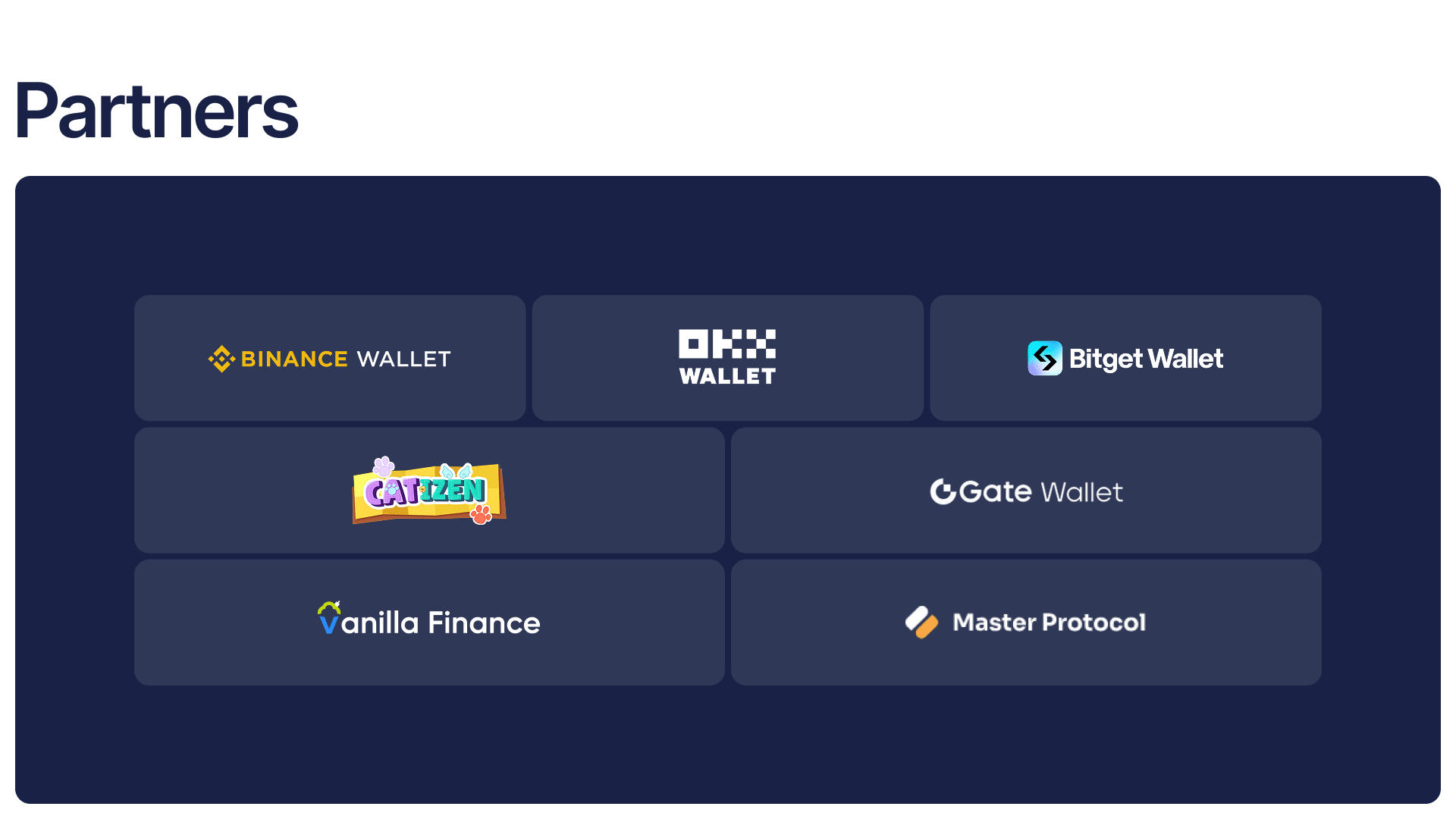
Who are the partners of Iceberg (ICEBERG)?
What are Iceberg (ICEBERG) token metrics?